Quickslide Windows & Doors uses cookies on its website which may involve the processing of personal data.
Necessary cookies are required for our website to function. We also use other cookies for marketing and statistical analysis. In some cases, data may be transferred to third parties. We won’t activate these cookies without your explicit consent, which you can give or revoke at any time.
You can configure these cookies under preferences. Please be aware that if you limit these cookies, you may not be able to use all our website’s functions. You can change this at any time by clicking on our cookie icon, which is always accessible to you.
Cookie Preferences
Here you can choose which cookies you consent to. Simply use the toggles to give or revoke consent to individual cookies, and you can change your preferences at any time.
These cookies are essential for the website to perform as it needs to. They keep the basic functions and important security features working properly for you, anonymously.
Functional
Functional cookies allow you to interact with the website and its content, such as sharing information on social media platforms and other third-party features.
Analytics
We use these cookies to help us understand how users are interacting with the website. They help to provide us with key metrics on how many visitors we have, bounce rate and the sources of website traffic.
Advertisements
Advertisement cookies help to provide relevant ads and marketing campaigns. These track visitors across websites and mean users can receive more customised ads.
Other
These cookies have not been classified into any of the above categories and are being analysed.
Share this post to any popular social media, email it to a friend or print it off.
Choosing between uPVC and wooden sash windows comes down to a few practical trade-offs: how the window looks, how much upkeep it needs, how energy efficient it is, what it costs over time, and whether your property sits in a conservation area or is listed. This guide compares modern uPVC double glazed sash windows with traditional timber sash windows fairly, so you can decide which suits your home. Quickslide manufactures uPVC sliding sash windows in Brighouse, West Yorkshire, and we have set out the genuine pros and cons of each below.
uPVC vs wooden sash windows: the short answer uPVC and timber sash windows both suit period and modern homes. uPVC sliding sash windows are lower maintenance, more affordable and offer strong energy efficiency, while timber gives an authentic traditional finish and is often required in conservation areas or on listed buildings. The right choice depends on your property, your budget and your local planning rules.
Comparison of uPVC sliding sash windows and wooden double glazed sash windows across appearance, maintenance, thermal performance, sound reduction, lifespan, cost, conservation considerations, security, sustainability and suitability.
Feature
uPVC sliding sash windows
Wooden (timber) sash windows
Appearance
Modern profiles with woodgrain foils, deep bottom rails and slim midrails can closely replicate a traditional timber sash. Up close, a trained eye may still notice the difference.
The most authentic traditional appearance, with natural grain and texture that synthetic materials can find hard to match.
Maintenance
Low. Usually only occasional cleaning with warm, soapy water, with no painting or staining needed.
Higher. Typically needs repainting or restaining every few years to stay protected against the weather.
Thermal performance
Strong when double glazed. Can achieve a whole-window U-value as low as 1.2 W/m²K and a Window Energy Rating of A on specified glazing.
Good when double glazed and well sealed. Performance depends on the glazing specification and the condition of the frame.
Sound reduction
Double glazing can noticeably reduce outside noise. The level of reduction depends on the glass specification and how well the window is installed.
Draught-proofed, double-glazed timber can also reduce noise. As with uPVC, results depend on the glazing and installation.
Lifespan
A quality uPVC sash window can commonly last 20 years or more with minimal upkeep, depending on exposure and maintenance.
Well-maintained timber can last for many decades, though this relies on regular upkeep and protection from moisture.
Cost
Generally lower to buy, and lower to run over time thanks to minimal maintenance.
Generally higher to buy, reflecting the timber and craftsmanship, with higher ongoing maintenance costs.
Conservation considerations
May require planning permission and is not always accepted in conservation areas or on listed buildings. Subject to local planning rules, so check with your local authority first.
Often the preferred or required option in conservation areas and on listed buildings, where traditional materials are expected.
Security
Can be specified with multi-point locking and to recognised security standards when correctly installed.
Can also be specified with multi-point locking and to recognised security standards when correctly installed.
Sustainability
Long-lasting and increasingly recyclable through industry take-back schemes.
Renewable when sourced from responsibly managed forests, with low embodied carbon. End-of-life impact depends on treatment and disposal.
Suitability for homeowners
Well suited to most homeowners wanting a low-maintenance, cost-effective sash window.
Well suited to homeowners who want an authentic timber finish and are prepared for the upkeep and higher cost.
Suitability for period-style properties
Can suit many period-style homes, especially with heritage detailing, though acceptance in protected areas is subject to local planning rules.
A natural fit for period and listed properties, and often required where original materials must be retained.
uPVC vs Wooden Sash Windows in Conservation Areas and Listed Buildings
If your home is in a conservation area or is a listed building, the choice of material may not be entirely yours. Local planning rules often favour timber to preserve a street’s traditional character, and replacing windows on a listed building usually requires listed building consent. Some conservation areas also have an Article 4 direction that removes the usual permitted-development rights for window changes. uPVC sliding sash windows may still be acceptable in some conservation areas, particularly where they closely match the original profiles, but this varies considerably between local authorities. Timber, or a slim-profile heritage-style window, is more likely to be accepted where rules are strict. Before ordering any replacement windows for a period property, check with your local planning authority. It is the safest way to avoid having to remove and replace non-compliant windows later. If timber is required, we can advise on options that keep maintenance and energy performance as practical as possible.
uPVC Double Glazed Sash Windows
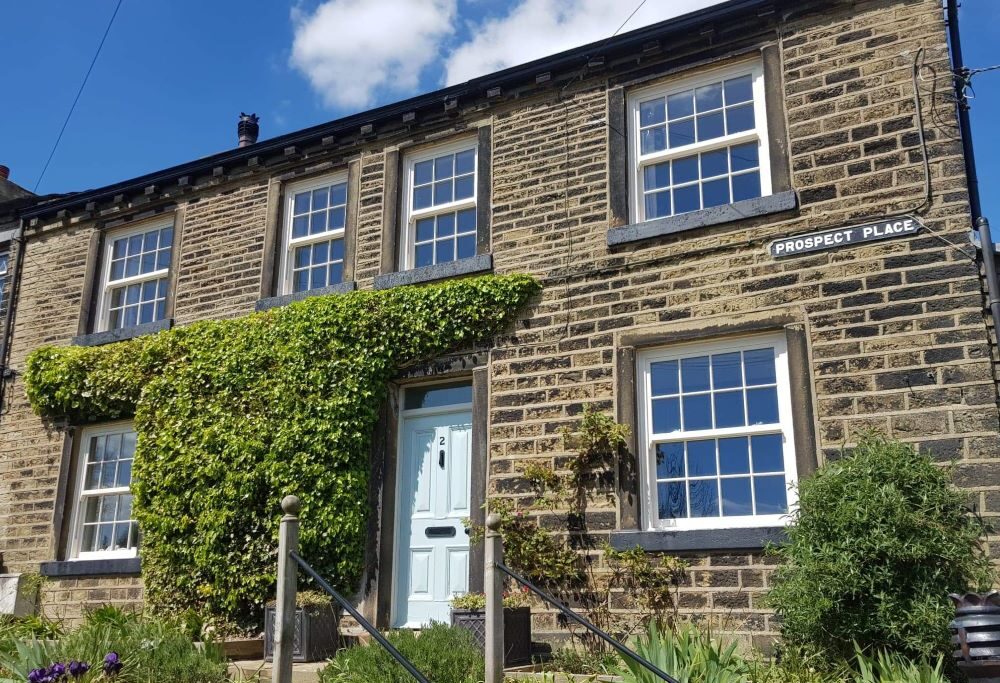
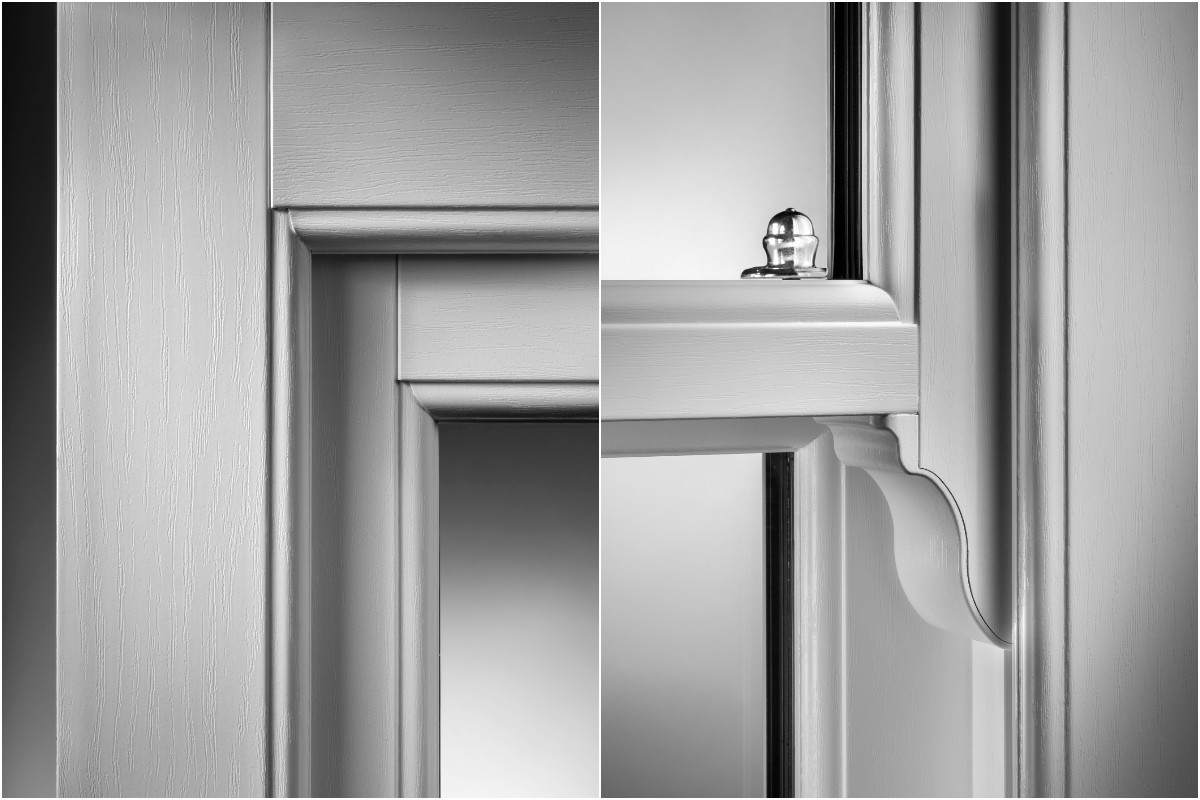
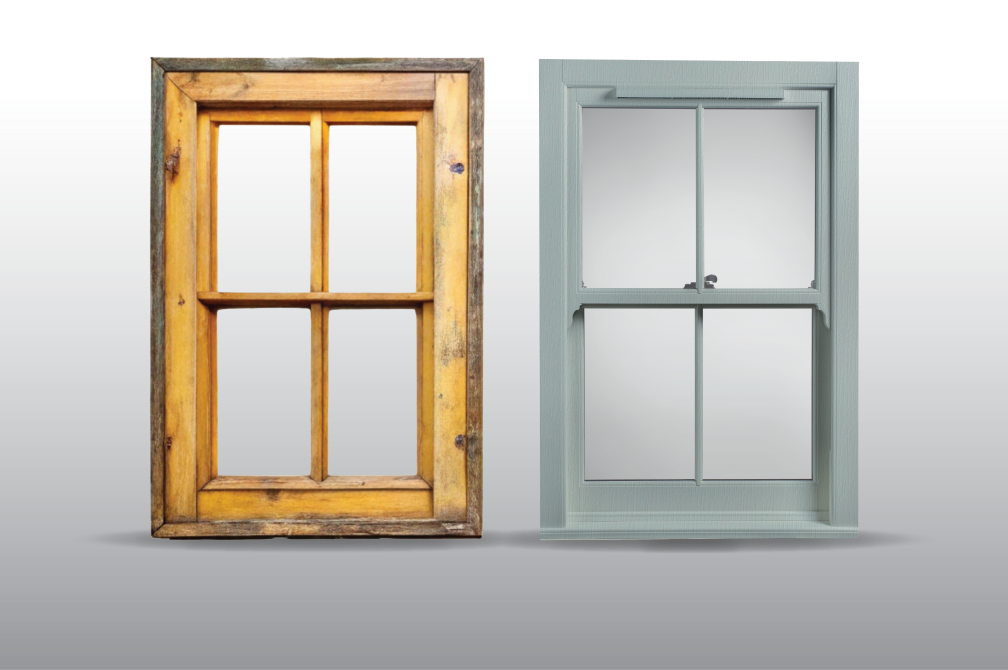
uPVC sliding sash windows have come a long way in terms of design. Modern uPVC can mimic the appearance of traditional wood, offering a variety of finishes and colours. Here at Quickslide, we offer a range of upgrades to our uPVC sliding sash windows to effortlessly replicate traditional timber frames. Features like a deep bottom rail, mechanical joints, and our new 37mm slim midrail all combine to make a truly authentic looking sash window.
Wooden Sash Windows
Timber double glazed sash windows are often regarded as the epitome of traditional elegance. Timber offers a natural, timeless beauty that can enhance the aesthetic appeal of period properties and contemporary homes alike. The texture, grain, and traditional appearance of wood can be difficult to replicate with modern synthetic materials, but our woodgrain foils can easily replicate timber in a range of colours from greys and greens to browns. With Quickslide, you can get a reliable supply of authentic wooden sash window replacements with our Legacy uPVC range.
Painted sash windows made from timber can easily be repainted, but the paint can fade, chip, or crack just as easily. Meanwhile, the uPVC Legacy sash window by Quickslide can maintain its vibrancy for years to come without the need for repainting or coating.
Energy Efficiency
uPVC Sash Windows
uPVC windows typically offer excellent thermal insulation. They often come with multi-chambered profiles and advanced glazing options, such as double glazing and the use of argon gas, which contribute to better energy efficiency. At Quickslide, we use argon-filled units and specialised frames to improve the thermal performance of our sash windows, with a Window Energy Rating of ‘A’. Argon gas is denser and doesn’t conduct heat as well as air, so it’s an excellent insulator to be used between panes of glass. This can result in lower heating bills and a more comfortable living environment.
Modern double glazing can noticeably reduce outside noise compared with older single-glazed timber windows. The level of noise reduction depends on the glass specification and how well the window is installed, so it is better described as improved sound insulation than soundproofing.
On specified glazing options, our uPVC sliding sash windows can achieve a whole-window U-value as low as 1.2 W/m²K. Actual performance depends on the glazing chosen and the quality of installation.
Wooden Sash Windows
Wood is a natural insulator, and well-constructed wooden double glazing sash windows can provide good thermal performance. However, the energy efficiency of wooden windows largely depends on the quality of the seals and glazing. Double glazed wooden sash windows can be as energy-efficient as their uPVC counterparts, but this may come at a higher cost.
Traditionally, timber windows are single glazed. Upgrading to double glazing greatly improves energy efficiency. Building Regulations require replacement windows in England and Wales to meet minimum energy-efficiency standards, which in practice usually means double glazing, though exceptions can apply to listed buildings and some conservation areas.
Durability and Maintenance
uPVC Sash Windows
Highly resistant to weathering
Immune to rot and corrosion
Not susceptible to pest infestations
Long-lasting and structurally stable
Requires minimal upkeep
Regular soapy water cleaning keeps them fresh
No need for sanding, painting, or staining
uPVC windows are highly durable and resistant to weathering, rot, and pests. They require minimal maintenance – just regular cleaning with soapy water to keep them looking fresh. uPVC does not need sanding, painting or staining, making it a convenient option for homeowners seeking low-maintenance solutions.
When you are ready to go ahead, you can find a local installer to discuss uPVC sliding sash windows for your home.
Wooden Sash Windows
Robust and long-lasting with proper care
Susceptible to environmental factors like moisture and pests
Modern treatments enhance longevity but not to uPVC’s level
Requires regular upkeep
Needs painting or staining every few years
While timber is robust and can last for many years with proper care, it is more susceptible to environmental factors. Wooden sash windows need regular maintenance, including painting or staining every few years to protect against moisture, rot, and insect damage. Well-maintained timber sash windows can last for many decades, and modern factory finishes have improved their durability considerably. They do, however, need periodic repainting or restaining to stay in good condition, whereas uPVC typically needs only occasional cleaning.
Ease of Manufacturing
uPVC Sash Windows
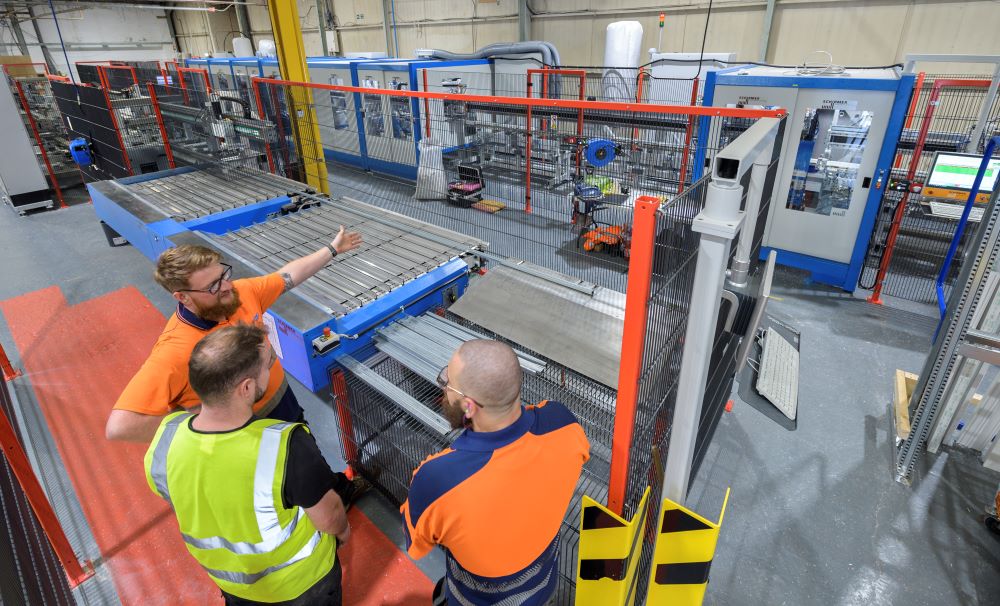
Modern automated manufacturing makes uPVC well suited to consistent, high-volume production. Quickslide invests heavily in top-of-the-line machinery to improve and streamline the manufacturing process in our Brighouse factory. Just last year, we invested over 1.7 million in a brand-new state of the art machining centre to help us continue to improve standardised excellent quality, lead times, production capacity, and efficiency.
Automation can minimise human error and ensure consistently high-quality standards. With precision cutting handled by the machining centre, our skilled team can concentrate on the fabrication processes that require their expert touch.
Wooden Sash Windows
Timber windows are typically more complex to manufacture, as they use traditional joinery methods, which are more time-consuming and labour-intensive. Timber must also be properly treated to ensure stability and durability, which adds additional steps to the manufacturing process. The quality of the wood and the precision of the cuts are critical, requiring experienced craftsmen.
The joinery process for wood sash double glazed windows is intricate and requires a high level of precision. Finishing involves sanding, painting, or staining, which can come at the cost of longer production times and increased workloads for a manufacturing team.
Double Glazed Sash Windows Cost
uPVC Sash Windows
uPVC windows typically offer a more affordable option both in terms of initial purchase and long-term maintenance. The production of uPVC sliding sash windows involves highly automated processes that reduce labour costs and increase efficiency, resulting in lower manufacturing expenses.
Additionally, once purchased and fitted, uPVC windows require very minimal upkeep – we recommend wiping with soap and hot water every six months. uPVC frames will not need periodic painting or staining. This ease of maintenance translates to lower long-term costs, making uPVC sash windows a cost-effective choice for budget-conscious homeowners.
Wooden Sash Windows
Wooden sash windows generally come with a higher initial price tag due to the cost of high-quality timber and the craftsmanship involved in their construction. Maintaining wooden windows can be more expensive and time-consuming, as they need regular painting or staining to protect against weathering and damage.
While wooden sash windows can add significant aesthetic and historical value to a property, their higher purchase and maintenance costs can make them a less economical option compared to uPVC.
Composite Sash Windows
Composite sash windows are often seen as a middle ground between uPVC and timber, combining a timber core with an external layer of uPVC. This provides the aesthetic appeal and strength of wood while benefiting from the low maintenance and weather resistance of uPVC.
Composite windows combine a timber core with a uPVC or aluminium outer skin. They can be a good fit for some projects, but they tend to cost more than uPVC and can be more complex to repair, which is why many homeowners weigh them carefully against a quality uPVC sash window.
Cost
Composite sash windows are typically more expensive than their uPVC counterparts. The high-quality materials and advanced manufacturing processes involved in their production contribute to this higher cost, making them less accessible for budget-conscious homeowners.
Complex Repairs
Due to the combination of materials used in composite windows, repairs can be more complex and costly. Finding matching components for repairs can be challenging, and specialised expertise might be required, increasing maintenance expenses.
Weight
Composite windows can be heavier than uPVC or wooden windows, often needing stronger frames and tougher installation processes. This added weight can also make them more difficult to operate, especially in larger sizes.
Environmental Impact
Sustainability is nuanced. Timber from responsibly managed sources is renewable and has low embodied carbon, while modern uPVC is long-lasting and increasingly recyclable through industry take-back schemes. Neither material is automatically the greener choice; it depends on sourcing, lifespan and end-of-life handling.
Frequently Asked Questions
Are uPVC sash windows more expensive than wooden sash windows?
In most cases, no. uPVC sliding sash windows usually cost less to buy and far less to maintain than timber, which needs repainting or staining every few years. Well-made timber can last for decades with proper care, but its higher purchase price and ongoing upkeep make it the more expensive option over the lifetime of the window for most homeowners.
Do uPVC sash windows look like real wood?
Modern uPVC sash windows can look very close to timber. Features such as woodgrain foils, a deep bottom rail, mechanical joints and a slim midrail recreate the proportions of a traditional sash. Up close, a trained eye may still notice the difference, but from the street the look is convincing.
Can you get double glazed wooden sash windows?
Yes. Timber sash windows can be made with double glazing, which greatly improves their energy efficiency compared with traditional single glazing. The main trade-offs are a higher cost than uPVC and the ongoing maintenance that timber needs.
Are wooden sash windows draughty?
Older single-glazed timber sash windows can be draughty as seals and frames age. Modern timber sash windows with draught-proofing and double glazing perform far better. Both timber and uPVC sash windows can be made draught-resistant when correctly specified and installed.
Are uPVC sash windows allowed in conservation areas or listed buildings?
Not always. uPVC may require planning permission, and listed buildings usually need listed building consent for window changes. Some conservation areas accept uPVC if it closely matches the originals, but many favour timber. Always check with your local planning authority before ordering.
How long do uPVC and wooden sash windows last?
A quality uPVC sash window commonly lasts 20 years or more with only occasional cleaning. A well-maintained timber sash window can last for decades, but it depends on regular upkeep. For both, lifespan depends on the quality of the window, its exposure to the weather and how well it is maintained.
Manufacturer insight
As a UK manufacturer, our view is straightforward: modern uPVC sliding sash windows now replicate traditional proportions closely, with deep bottom rails, mechanical joints and our 37mm slim midrail, which is why they suit the majority of homes. Where a property is listed or sits in a strict conservation area, we always recommend checking with the local authority first, as timber may be the more suitable choice in those settings.
As a dedicated marketing professional for the window and door industry, Jaime Pipe is a Quickslide author who provides comprehensive, detailed takes on all the latest news and product updates. Every one of their insights is written based on up-to-date information and the newest research available, allowing readers to rely on them for the business's latest and greatest.
Their knowledge and expertise have been honed by working closely with the rest of Quickslide’s extensive team of professional manufacturers, letting them learn the ins and outs from direct sources. Their B2B experience is further enhanced by Quickslide’s long list of trade partners, offering additional insight into the manufacturing and installation process of sash windows, bifolds, flush windows, patio doors, and more.
Trustindex verifies that the original source of the review is Google.
Quickslide provide us with quality products backed by great customer service.
Posted on Google
celestial windows
Trustindex verifies that the original source of the review is Google.
Exceptional service. Thank you
Posted on Google
toni butler
Trustindex verifies that the original source of the review is Google.
Great products and helpful staff! good service from start to finish. Thank you!
Posted on Google
Hipco Yorkshire Ltd
Trustindex verifies that the original source of the review is Google.
5 Stars for Quickslide!
Great products, great company and great people. We’re really pleased with the quality of the Quickslide sash windows and the support we receive from the team. Thanks to everyone at Quickslide for the continued support.
Posted on Google
Chris Ayling
Trustindex verifies that the original source of the review is Google.
A great company to deal with, from initial enquiry to delivery.
Posted on Google
Paul Stevenson
Trustindex verifies that the original source of the review is Google.
Always use Quickslide. Great service and price
Posted on Google
Joe Gordon
Trustindex verifies that the original source of the review is Google.
A Amazing company, support is top notch.
Getting to speak to a real human is what we all want.
Marketing support is also very good.
Joe Gordon
Secure Windows (Peacehaven, East Sussex)
Posted on Google
Nick
Trustindex verifies that the original source of the review is Google.
Have been dealing with Quickslide for a year now, nothing more to say than a fantastic product selection and even better customer service. all questions and quotes answered within 24 hours, couldn't ask for more. Amelia and Chloe in sales and Sandra in marketing are an absolute credit to the company.
keep up the great work guys and gals
Update 😁
3 years on and still exceptional customer service, fantastic product range and easy to price and place an order online.............time saving blessing. Freya has been nothing short of spot on with marketing materials (and friendly too as are all of the staff)
Keep up the great work gang and we will remain loyal customers.
Posted on Google
Excell Timber Windows
Trustindex verifies that the original source of the review is Google.
A product we have used for several years excellent company and products Excell Timber Windows
Posted on Google
Hallmark Windows Harrogate
Trustindex verifies that the original source of the review is Google.
5 Star service again from one of our key suppliers - providing quality 1st class brochures and samples to show our customers and explain all the features and options on Vertical Sliding Sash Windows and Bi-Folding Doors
Please note, our news articles are relevant and accurate at the time of release, but as technical developments dictate, and times goes by the information in this article may no longer be applicable. If you have questions, please contact us using our online contact form or call us on 03332 412 240.